Organic Growing Methods That Actually Work for Cannabis
- Blog
- Organic Growing Methods That Actually Work for Cannabis
lynette
# Organic Growing Methods: A Complete Guide to Natural Cannabis Cultivation
Build living soil by layering compost, worm castings, and aged manure into your growing medium, then inoculate with mycorrhizal fungi to establish the microbial ecosystem that converts organic matter into plant-available nutrients. Mix kelp meal, neem cake, and rock phosphate into your soil blend at least two weeks before planting, allowing beneficial bacteria to begin breaking down these amendments into forms your plants can absorb.
Replace synthetic fertilizers with nutrient-rich teas brewed from compost and earthworm castings, applying them weekly during vegetative growth and adjusting the recipe with bat guano or fish hydrolysate during flowering to match your plants’ changing nutritional needs. Monitor soil pH between 6.0 and 7.0, adjusting naturally with dolomite lime to raise acidity or elemental sulfur to lower it, since organic nutrient uptake depends heavily on maintaining this range.
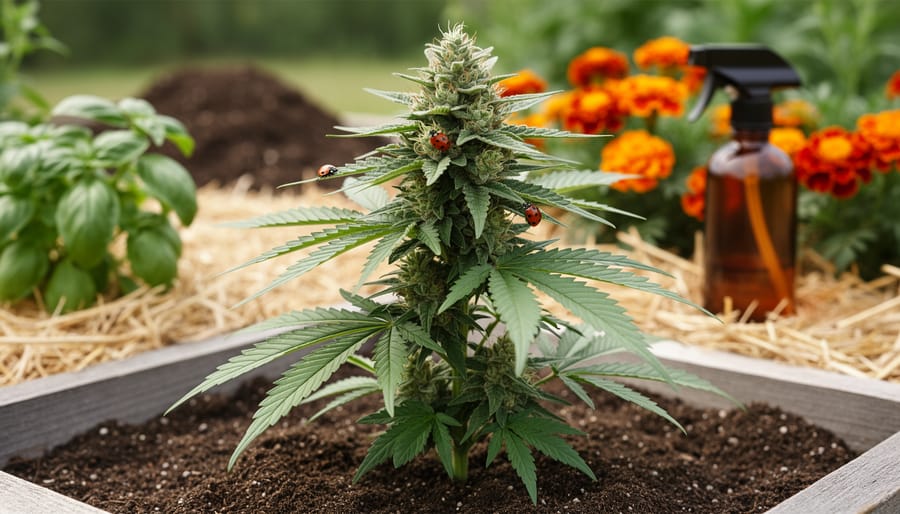
Combat pests without chemicals by introducing predatory insects like ladybugs for aphids and predatory mites for spider mites, while spraying neem oil solutions during vegetative stages to prevent infestations before they establish. Companion plant with basil, marigolds, and chrysanthemums around your growing area to repel common cannabis pests naturally through their aromatic compounds.
The transition from conventional to organic methods requires patience as soil biology establishes itself over multiple growing cycles, but the resulting improvement in flavor profiles, terpene production, and environmental sustainability makes organic growing methods the preferred choice for cultivators prioritizing quality and ecological responsibility.
Organic growing methods center on cultivating cannabis using natural, biologically-based inputs while avoiding synthetic fertilizers, pesticides, and growth regulators. At its core, this approach mimics natural ecosystems where plants, soil microorganisms, and organic matter work together to create a self-sustaining growing environment. For home cultivators, understanding what truly qualifies as organic helps distinguish between marketing claims and genuine practices.
The USDA organic standards provide the framework for certified organic agriculture, prohibiting synthetic substances, genetically modified organisms, and sewage sludge while requiring soil health management and biodiversity conservation. While cannabis cannot currently receive federal organic certification due to its legal status, these standards offer home growers a reliable benchmark for organic practices. Commercial growers may pursue state-level certifications or third-party organic validations that follow similar principles.
Understanding key terminology helps clarify what makes growing methods genuinely organic:
The fundamental difference between organic and synthetic approaches lies in nutrient delivery. Synthetic methods provide immediately available nutrients in concentrated chemical forms, while organic growing methods feed the soil biology first, which then makes nutrients available to plants gradually. This biological pathway creates more resilient plants with complex flavor profiles and supports long-term soil health. For home growers, truly organic cultivation means sourcing certified organic inputs, building soil biology, and maintaining a closed-loop system where organic matter continuously replenishes the growing environment.
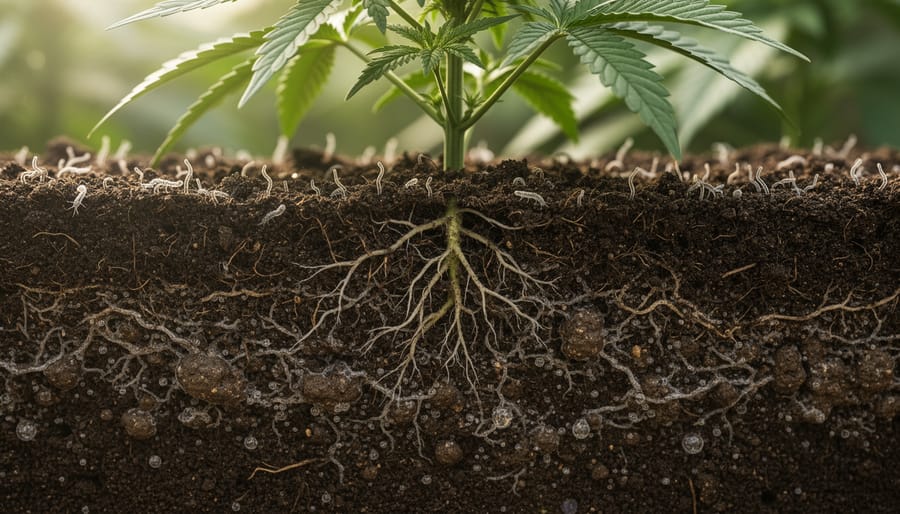
The foundation of successful organic growing methods lies beneath the surface, where an invisible workforce of microorganisms transforms your soil into a living ecosystem. This network, known as the soil food web, consists of billions of beneficial bacteria, fungi, protozoa, and other microscopic organisms working together to support plant health.
Bacteria are the most abundant players in this underground community. These single-celled organisms break down organic matter, converting nutrients into forms your plants can absorb. Some bacteria also fix atmospheric nitrogen, making this essential element available without synthetic fertilizers.
Mycorrhizal fungi form particularly important partnerships with cannabis roots. These thread-like organisms extend far beyond the root zone, effectively increasing your plant’s access to water and nutrients by up to 700 percent. In exchange, your plants provide the fungi with sugars produced through photosynthesis, creating a mutually beneficial relationship.
The soil food web operates through a nutrient cycling process. Larger organisms like nematodes and protozoa consume bacteria and fungi, releasing nutrients in plant-available forms—a process called mineralization. This natural system provides precisely timed nutrition, delivering nutrients when your plants signal they need them rather than on a predetermined feeding schedule.
Understanding this biological approach represents a fundamental shift from conventional methods. Rather than feeding your plants directly with synthetic nutrients, organic growing methods focus on feeding the soil organisms that, in turn, nourish your plants. This creates a self-regulating system that becomes more efficient over time.
Building living soil is the foundation of successful organic growing methods, creating a self-sustaining ecosystem that feeds your cannabis plants naturally. A well-crafted organic soil mix provides nutrients, beneficial microorganisms, and proper drainage while maintaining the biological activity essential for plant health.
The basic formula combines three core components in equal parts: compost or worm castings (providing nutrients and microbes), peat moss or coco coir (retaining moisture), and aeration materials like perlite or pumice (ensuring proper drainage). This 1:1:1 ratio creates the perfect structure for living soil.
To prepare your organic soil mix, follow these steps:
During the composting period, keep your soil mix slightly moist and turn it weekly to maintain aerobic conditions. This aging process, sometimes called “cooking,” activates the biological processes that make nutrients available to plants. The result is a living ecosystem ready to support vigorous cannabis growth without synthetic fertilizers.
Successful organic growing methods center on nourishing the soil ecosystem rather than simply delivering nutrients directly to plants. This approach supports healthy microbial populations that break down organic matter and make nutrients available when your plants need them most.
Throughout your grow cycle, apply compost or worm castings as a top-dressing every 3-4 weeks. Simply spread a half-inch layer around the base of each plant, avoiding direct contact with stems. This feeding schedule replenishes beneficial microorganisms and provides a steady nutrient release.
Maintain active soil biology by keeping your growing medium consistently moist but not waterlogged. Microbes thrive in properly aerated soil with balanced moisture levels. Adding a layer of mulch—such as straw or shredded leaves—helps regulate soil temperature and moisture while providing habitat for beneficial organisms.
Brew compost teas to introduce diverse microbial populations. Steep high-quality compost in dechlorinated water for 24-48 hours with aeration, then apply directly to soil. This living solution colonizes your growing medium with beneficial bacteria and fungi that improve nutrient cycling and disease resistance, creating the foundation for truly sustainable organic cultivation.
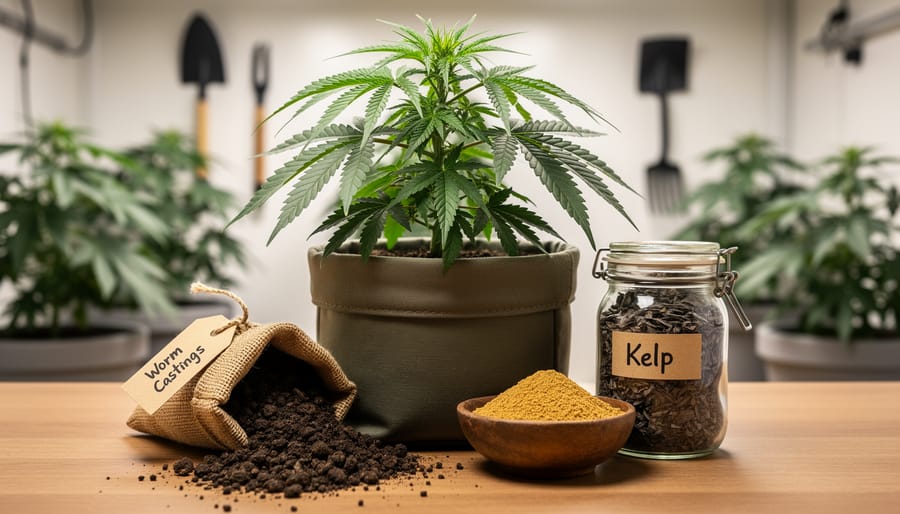
Plant-based nutrient amendments offer cannabis growers sustainable, gentle feeding options that improve both soil biology and plant health. These organic inputs release nutrients slowly, reducing the risk of overfeeding while supporting beneficial microorganisms essential to nutrient cycling.
Kelp meal stands out as one of the most valuable plant-based amendments for organic growing methods. Derived from seaweed, it provides trace minerals, growth hormones, and natural cytokinins that enhance root development and stress resistance. Apply kelp meal at 1-2 cups per cubic foot of soil mix, or brew it as a tea using 1/4 cup per gallon of water, allowing it to steep for 24-48 hours before application.
Alfalfa meal delivers nitrogen along with triacontanol, a natural growth stimulant that promotes vigorous vegetative growth. This amendment works exceptionally well during the early growth stages, applied at 1-2 cups per cubic foot of soil or as a top dress at 1 tablespoon per gallon of container size every 3-4 weeks.
Neem cake, a byproduct of neem oil production, functions as both a nutrient source and pest deterrent. It slowly releases nitrogen while discouraging soil-dwelling pests and fungal diseases. Mix neem cake into soil at 1 cup per cubic foot, or apply as a top dress at half that rate during the vegetative phase.
| Amendment Type | NPK Values | Application Rate | Best Use Timing |
|---|---|---|---|
| Kelp Meal | 1-0.2-2 | 1-2 cups/cu ft | Throughout growth cycle |
| Alfalfa Meal | 2-1-2 | 1-2 cups/cu ft | Vegetative stage |
| Neem Cake | 6-1-2 | 1 cup/cu ft | Vegetative stage |
Understanding organic fertilizer NPK values helps you combine amendments strategically to match your plants’ needs at different growth stages. Always incorporate plant-based amendments into soil at least two weeks before planting to allow initial decomposition, or use them as top dressings with regular watering to activate nutrient release through microbial activity.
Animal-based amendments provide concentrated nutrition that supports vigorous plant growth through organic methods. These natural inputs release nutrients gradually as soil microbes break them down, creating a sustainable feeding system for your cannabis plants.
Bat guano stands out as one of nature’s most complete fertilizers, available in high-nitrogen versions (from insect-eating bats) for vegetative growth and high-phosphorus types (from fruit-eating bats) for flowering. Apply 1-2 tablespoons per gallon of soil when mixing your growing medium, or brew guano tea by steeping 2 tablespoons in a gallon of water for 24 hours.
Worm castings offer gentle, balanced nutrition that won’t burn plants while improving soil structure and water retention. These castings contain beneficial microbes that enhance nutrient availability. Mix 10-20% worm castings into your soil blend, or use them as a top dressing at 1/4 inch thickness every few weeks.
Bone meal provides slow-release phosphorus and calcium, essential for root development and flower production. Incorporate 1-2 tablespoons per gallon of soil before planting, as bone meal takes several weeks to become available to plants.
Fish-based fertilizers, including fish emulsion and hydrolysate, deliver nitrogen and trace minerals quickly. Dilute according to package directions (typically 1-2 tablespoons per gallon of water) and apply every 1-2 weeks during active growth phases.
Mineral amendments replenish essential nutrients and adjust soil conditions through natural rock-based materials, supporting robust cannabis growth within organic methods. These slow-release minerals improve soil structure while providing micronutrients often depleted in container gardens.
Rock dust (basalt, granite, or glacial) contains trace minerals like iron, magnesium, and calcium. Apply 1-2 cups per cubic foot of soil during initial mixing. These finely ground minerals break down gradually, feeding soil microbes that make nutrients plant-available over weeks to months.
Gypsum (calcium sulfate) adds calcium without raising pH, making it ideal when your soil needs calcium but is already alkaline. It also improves clay soil structure and helps flush excess sodium. Mix 1-2 tablespoons per gallon of soil or apply as a top dressing.
Dolomite lime provides both calcium and magnesium while raising pH in acidic soils. Use calcitic lime if you only need calcium. Test your soil pH first—cannabis thrives between 6.0-7.0. Add lime 2-4 weeks before planting to allow pH adjustment time.
Azomite and kelp meal deliver broad-spectrum trace minerals. Azomite contains over 70 minerals from ancient volcanic deposits, while kelp provides natural growth hormones alongside minerals. Combine these amendments for comprehensive mineral nutrition that supports vigorous growth throughout your cannabis lifecycle.
Creating your own nutrient sources through composting and vermicomposting represents one of the most valuable organic growing methods for cannabis cultivation. These processes transform kitchen scraps and garden waste into premium soil amendments while giving you complete control over your inputs.
For traditional composting, start with a 3x3x3-foot bin in a well-drained location. Layer carbon-rich “brown” materials like dried leaves and cardboard with nitrogen-rich “green” materials such as vegetable scraps and coffee grounds in a 3:1 ratio. Turn your pile weekly to introduce oxygen, which accelerates decomposition and prevents anaerobic odors. Maintain moisture similar to a wrung-out sponge. In 2-4 months, you’ll have dark, crumbly compost ready to enrich your soil.
Vermicomposting uses red wiggler worms to produce castings—nutrient-dense, microbe-rich material that cannabis plants readily absorb. Set up a shallow bin with moistened bedding (shredded newspaper or coconut coir), add worms at 1 pound per square foot of surface area, and feed them kitchen scraps weekly. Harvest finished castings after 3-4 months by pushing material to one side and adding fresh bedding to the other. The worms migrate, allowing you to collect pure castings packed with beneficial microorganisms that support healthy root development and natural disease resistance.
The healthiest defense against pests and diseases starts with robust plant nutrition and thriving soil biology. When you use organic growing methods to build nutrient-rich soil, your cannabis plants develop stronger cell walls and produce natural defense compounds that deter common cannabis pests.
Well-fed plants grown in biologically active soil show remarkable resilience. The beneficial microorganisms in healthy organic soil form symbiotic relationships with plant roots, enhancing nutrient uptake and triggering systemic resistance responses. This means your plants can better recognize and respond to pest threats before damage occurs.
Focus on maintaining balanced calcium and silica levels through amendments like rock dust and kelp meal. These minerals strengthen plant tissues, making leaves tougher for insects to penetrate. Regular applications of compost tea introduce beneficial microbes that compete with harmful pathogens while stimulating plant immune systems.
Proper spacing and airflow prevent humidity-related issues, while consistent organic feeding schedules keep plants vigorous enough to outgrow minor pest pressure naturally.
Beneficial insects serve as your garden’s natural defense team in organic growing methods. Predatory species like ladybugs, lacewings, and predatory mites feed on common cannabis pests including aphids, spider mites, and thrips. You can purchase these beneficial insects from garden suppliers and release them during early morning or evening hours when they’re less likely to fly away immediately.
To attract and retain these helpful allies, companion planting creates an ecosystem that supports beneficial insect populations. Plant aromatic herbs like basil, dill, and cilantro near your cannabis to draw in predatory insects while repelling unwanted pests. Marigolds release compounds that deter aphids and whiteflies, while their bright flowers attract pollinators and beneficial predators.
For effective pest management, identify pests early before populations explode. Ground beetles and parasitic wasps provide ongoing pest control when you maintain diverse plantings around your grow space. Plant flowering species like yarrow, alyssum, and fennel to provide nectar and pollen sources that sustain beneficial insect populations throughout the growing season.
This integrated approach reduces reliance on any pest control inputs while building a self-regulating garden ecosystem. Success requires patience as beneficial populations establish themselves, typically taking 2-3 weeks to show noticeable pest reduction.
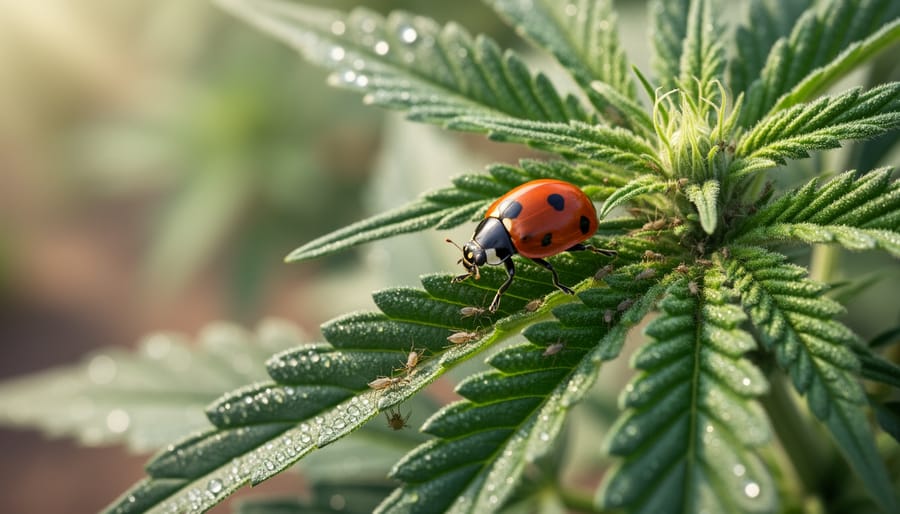
Protecting your cannabis plants from pests doesn’t require harsh chemicals when you embrace organic growing methods. Several natural solutions effectively control common garden invaders while maintaining the integrity of your organic garden.
Neem oil stands as one of the most versatile organic pest control options available. Derived from the neem tree, this botanical extract disrupts insect feeding patterns and reproduction cycles. Mix 2 tablespoons of pure neem oil with 1 gallon of water and a few drops of mild liquid soap to help the solution adhere to plant surfaces. Apply during cooler parts of the day to prevent leaf burn.
Insecticidal soaps offer another gentle yet effective approach. These specially formulated soaps work by breaking down the protective outer coating of soft-bodied insects like aphids, spider mites, and whiteflies. Unlike synthetic pesticides, they pose minimal risk to beneficial insects when applied carefully.
Pyrethrin-based sprays, extracted from chrysanthemum flowers, provide quick knockdown of various pests while degrading rapidly in sunlight, leaving no harmful residues. For targeted applications, diatomaceous earth creates a physical barrier that damages insect exoskeletons without chemical action.
Success with organic pest control requires accurate pest identification and early intervention. Monitor plants regularly, treating problems at first sign rather than waiting for heavy infestations. Rotate different treatments to prevent pest resistance while maintaining your commitment to organic growing methods.
Water management plays a crucial role in successful organic growing methods, as proper hydration directly impacts nutrient availability and plant health. Unlike synthetic systems where nutrients are dissolved in precise ratios, organic cultivation relies on soil biology to break down organic matter—a process that requires consistent moisture levels to keep beneficial microorganisms active and thriving.
Start by assessing your water quality, as it significantly affects your organic system. Municipal tap water often contains chlorine or chloramines that can harm beneficial soil bacteria and fungi. Let tap water sit in open containers for 24-48 hours to allow chlorine to evaporate, or use a dechlorinating filter for chloramine removal. Rainwater collection provides an excellent alternative, offering naturally soft water free from chemical treatments. Well water should be tested for pH and mineral content, as excessive calcium or magnesium can create nutrient lockout issues even in organic systems.
Watering schedules for organic growing differ from conventional methods because you’re feeding the soil ecosystem, not just the plant. The goal is maintaining consistent moisture without waterlogging, which suffocates beneficial aerobic microbes. Check soil moisture by inserting your finger 2-3 inches deep—water when the top layer feels dry but the deeper soil remains slightly moist. Container-grown plants typically need more frequent watering than in-ground gardens.
Implement water conservation techniques to support sustainability principles central to organic growing methods. Apply 2-4 inches of organic mulch around plants to reduce evaporation and maintain even soil temperatures. Install drip irrigation systems or soaker hoses to deliver water directly to root zones, minimizing waste and preventing foliar diseases. Consider collecting runoff water from dehumidifiers if growing indoors—this distilled water works perfectly for organic cannabis cultivation.
Monitor drainage carefully, ensuring containers have adequate holes and native soil doesn’t become compacted, as waterlogged conditions quickly destroy the aerobic environment essential for organic nutrient cycling.

Making the switch from synthetic to organic growing methods requires patience and planning, but the rewards of cleaner, more flavorful harvests make the journey worthwhile. Understanding what to expect during this transition will help you navigate the initial challenges and set realistic goals for your growing operation.
The transition timeline typically spans three to four growing cycles before your soil ecosystem reaches full maturity. During your first organic grow, you may notice slightly reduced yields compared to synthetic methods as beneficial microorganisms establish themselves in your growing medium. This is completely normal and temporary. By the third cycle, most growers report yields that match or exceed their previous synthetic results, accompanied by noticeable improvements in terpene profiles and overall plant health.
Soil rehabilitation forms the foundation of successful organic growing methods. Your first step involves testing your current growing medium to establish baseline nutrient levels and pH. This information guides your amendment strategy and prevents costly mistakes. If you’ve been using synthetic fertilizers, your soil likely lacks the diverse microbial life that organic systems depend on, making inoculation with compost tea or commercial microbial products essential.
Here’s a practical transition plan to follow across multiple growing cycles:
Common challenges during this transition include nutrient deficiencies as you learn to read plant signals without relying on precise NPK ratios. Keep a detailed journal documenting plant responses to different amendments, which becomes invaluable reference material for future grows. Many growers also struggle with pest management initially, but establishing beneficial insect populations and maintaining plant health through proper nutrition typically resolves these issues naturally over time.
Transitioning to organic growing methods represents a rewarding shift toward working with nature rather than against it. The core principles that underpin successful organic cultivation—building living soil, providing balanced nutrition through natural sources, and managing pests through prevention and beneficial organisms—create resilient growing systems that improve over time. This approach requires patience and careful observation, as organic solutions work more gradually than synthetic quick fixes, but the results speak for themselves through improved flavor profiles, enhanced cannabinoid production, and sustainable practices that benefit both your garden and the broader environment.
You don’t need to overhaul your entire operation overnight. Start with manageable changes like incorporating compost into your soil mix or introducing one biological pest control method. As you gain confidence and observe the results, gradually expand your organic practices. Pay attention to how your plants respond, keep notes on what works in your specific conditions, and remember that each growing cycle builds your knowledge and improves your soil biology.
The beauty of organic growing methods lies in their self-reinforcing nature—healthy soil creates healthy plants, which resist pests naturally, requiring fewer interventions over time. By embracing these natural systems and committing to continuous learning through observation, you’ll develop an intuitive understanding of your garden’s needs while cultivating cannabis that truly reflects the full potential of organic cultivation.
© Copyright 2026 Cultivating Homegrown Organic Marijuana